Retail has been going through a massive change.
Traditional stores that only sell grocery sales can help, but any store still solely focused on selling goods for profit is facing challenges from e-commerce cửa hàng. Consumers can now purchase just about anything online with a few clicks.
But there’s one category of retail that continues to expand amid this shift:
Experiential retail.
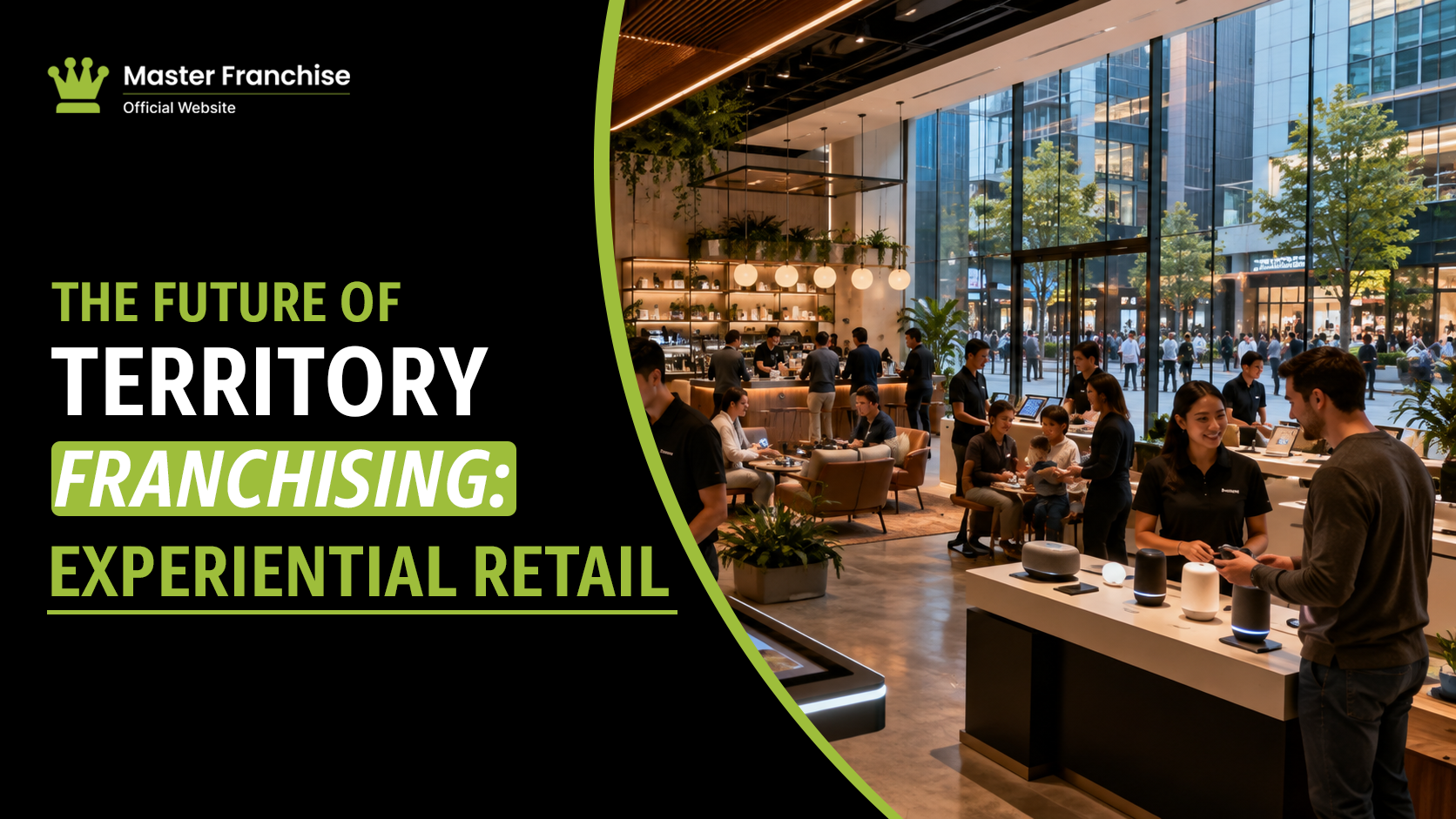
This is what these companies excel at: delivering unique and unforgettable real-life experiences that cannot be duplicated in the virtual space. From entertainment-oriented stores to immersive specialty-based concepts, experiential retail is quickly emerging as an attractive model for territory-based franchise growth.
Table of Contents
How and Why Experiences Are Better Than Products
Customers do not just buy products. But they are more focused on experience than transaction.
Retail outlets where the product is combined with interactive activities or demonstrations or social interactions tend to show greater volume and repeat visits.
Some examples of experiential retail are
- interactive toy or hobby stores
- creative workshops and craft studios
- cooking or baking experience centers
- immersive entertainment concepts
- specialty tasting or demonstration spaces
These businesses are more than a storefront; they generate destinations.
Experiential Retail: Not Easy to Replace Online
Experiential concepts have a better chance of succeeding; e-commerce can’t easily duplicate them.
Customers do not just come in to purchase; they immerse themselves in an experience, learning a skill or socializing with friends and family.
This provides them with an advantage over the traditional product retailing business.
Looking for Proven Master Franchise
Opportunities?
Explore established franchise brands and learn how
experienced master franchisees have successfully developed regional and international markets.
Community Engagement Drives Repeat Visits
Many experiential brands establish strong connections with their local communities.
Events, workshops, classes, and group activities help to create repeat customers and word-of-mouth referrals.
Since these experiences often involve families, children, or social gatherings, they inherently create repeat visits and loyalty with customers.
It is suited for experiential concepts.
Experiential retail is often at its best when created organically in a regional market.
Developers with multiple locations within a metro can:
- establish strong local brand recognition
- coordinate marketing across locations
- host regional events and promotions
- optimize staffing and operations
An interconnected series of sites in a given territory improves brand presence and operational efficiency.
Smaller Footprints, Higher Engagement
Many of these experiential retail concepts take up less space than the traditional real estate 1040 form.
Because inventory is secondary to the experience, these businesses can keep their overhead in check while creating high levels of customer engagement.
Having this level of operational efficiency makes the multi-location expansion much more feasible.
Why Investors Are Paying Attention
Experiential retail has several appealing characteristics for territory developers:
- differentiation from traditional retail models
- strong community engagement
- repeat customer behavior
- scalable regional growth
- resistance to pure e-commerce competition
These elements are attracting the attention of investors in search of fresh retail franchise opportunities.
FAQs
Conclusion
Retail is no longer just about transactions.
These days consumers are craving collective experiences, memories, and something unique.
Experiential retail ideations provide just that.
These brands offer both territory developers and franchise investors a new model for the merger of retail merchandising, entertainment, and community involvement—placing experiential retail amongst the most promising paths towards the future of all franchising.
Explore Master Franchise
Opportunities
Connect with franchisors seeking experienced master
franchise partners for international and regional territory development.