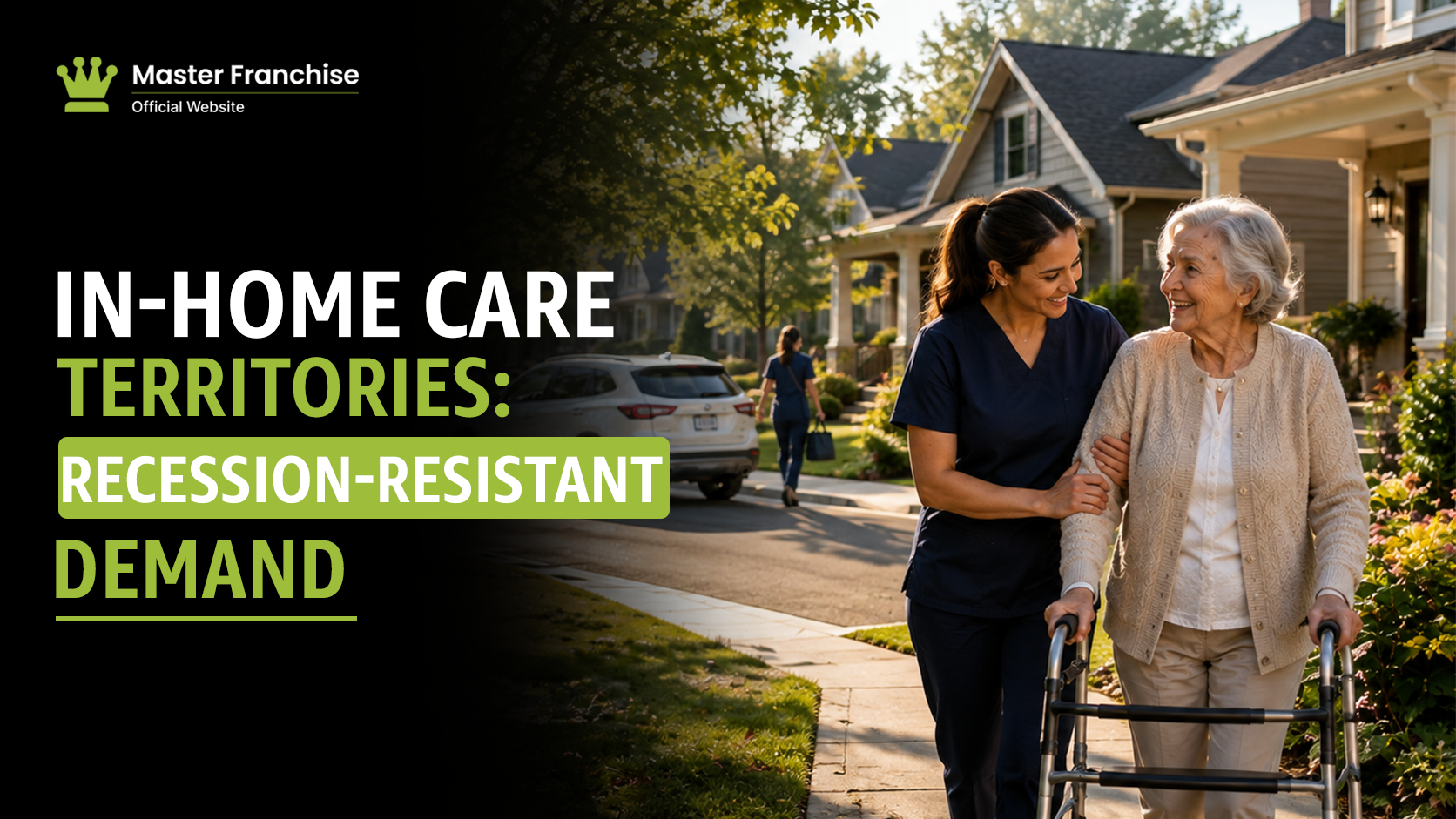
Some are expanding as a function of demographics and demand.
The in-home senior care industry should comfortably slot into category No. As the population ages and families seek assistance for elderly relatives, in-home care services are continuing to grow throughout the United States.
This in turn, becomes one of the most resilient and recession-proof business opportunities on the franchising market for investors and territory developers.
Table of Contents
The Demographic Shift Driving Demand
The single biggest market stimulus for the senior care space is (wait for it): Aging populations.
Over a million Americans celebrate their 65th birthdays every year. They generally want to age in place rather than enter assisted living.
This creates an increasing need for services such as:
- companionship and daily assistance
- medication reminders
- mobility support
- household help
- transportation to appointments
These benefits support independence and quality of life.
In-Home Care Evolution and Its Resilience During Economic Recessions

Some, such as the industries that rise and fall based on the cycles of the economy.
Demand for senior care is recession-proof as it fulfills a fundamental human need.
While families may be postponing discretionary spending, it’s by no means forgotten that they have to care for their old parents and relatives.
This creates:
- steady client demand
- predictable service schedules
- recurring revenue opportunities
This brings consistency for the franchise owners out there and reduces the volatility that much of consumer driven industries face today.
The Territory Advantage
Most senior care services are inherently local.
Clients feel best with trusted providers who come from the community, and caregivers intend to travel among their clients within reasonable distances.
It is the strength of the territory model.
Master Franchise and area developers can create territories by:
- recruiting caregivers locally
- building referral relationships with hospitals and other health care providers
- establishing a strong community reputation
Increase brand trust and referral sales as you service the clients in the territory.
Looking for Proven Master Franchise
Opportunities?
Explore established franchise brands and learn how
experienced master franchisees have successfully developed regional and international markets.
Recurring Revenue Strengthens the Model
Home care services are rarely a one-time setup.
Her clients require her two or three times a week, perhaps every day.
This recurring structure produces:
- consistent service hours
- stable client relationships
- predictable revenue streams
By slowly doing this, they give territory owners a perfect operating base, with existing buyers continually growing.
Healthcare Partnerships Expand Opportunities
The best in-home care operators connect at:
- hospitals and discharge planners
- rehabilitation centers
- assisted living communities
- physicians and healthcare providers
These partnerships lead to referrals and further establish the franchise as a trusted presence in the local health care landscape.
Why Investors Are Paying Attention
Home care has a few advantages in many franchise industries:
- strong demographic demand
- essential service positioning
- recurring revenue structure
- community-based reputation
- scalable regional expansion
Charting Service Demand Over Time: Hours worked vs Clients Led Care org : A growing senior population will create a significant demand for home-based care services.
FAQ
In-home senior care is a service that families need and rely on regardless of economic conditions. It can provide recurring revenue and steady demand for franchise owners.
Companionship, personal care, medication reminders, mobility assistance, meal preparation, light housekeeping, and transportation are services that most in-home care businesses offer to seniors.
With community-based care, territory operators can build strong connections in their target areas, hire local staff, and benefit from referrals from healthcare professionals.
Many clients have long-term service agreements that involve multiple visits per week or even daily care, resulting in regular income for franchise operators.
Yes. In-home care franchises can provide a scalable, sustainable business opportunity for territory developers and investors due to the aging population, growing need for home-based care, and abundance of referral opportunities.
Conclusion
At-Home Care is here to Stay
It’s an industry that will continue to be supported long term by demographic headwinds and demand for basic services.
Creating service networks for families with continued performance in business yields a leading edge for master franchise developers and territory investors at this time.
State of the Market: It’s logical that in even the most tumultuous economic times, sectors tied to human survival would weather the strongest storms.
Senior care is one of them.
Explore Master Franchise
Opportunities
Connect with franchisors seeking experienced master
franchise partners for international and regional territory development.